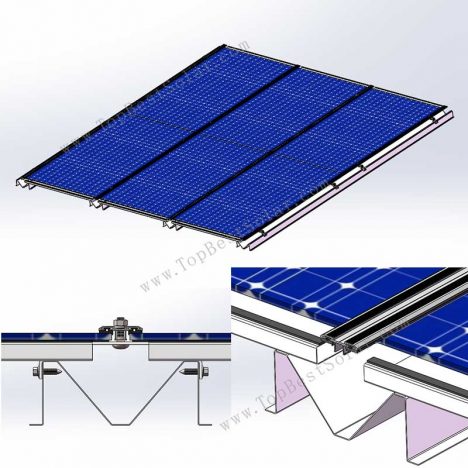
Does a tile roof solar mount need a hook for every batten or just every third

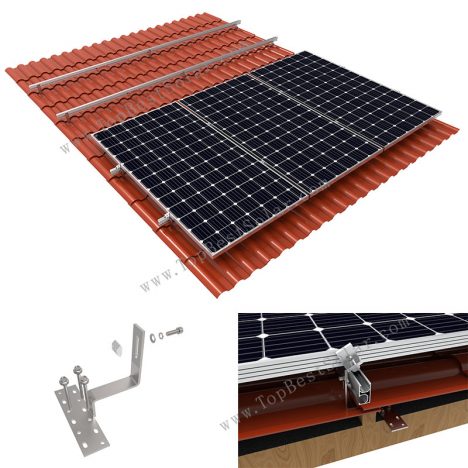
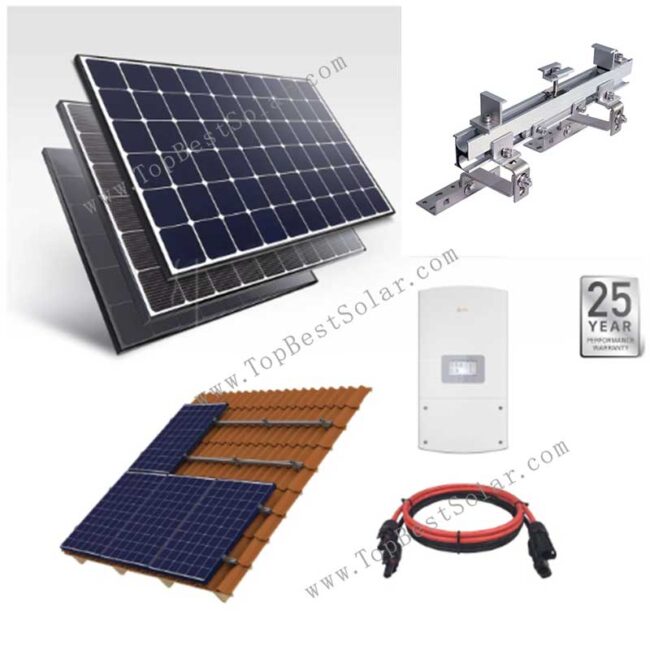
瓦屋顶看起来美观大方,但当太阳能安装人员需要掀起一块瓦片,在椽子上钻孔,然后小心翼翼地将瓦片放回原位时,情况就变得复杂起来。在西班牙瓦屋顶上,2天安装和4天安装之间的区别不在于太阳能电池板本身,而在于挂钩间距和防水设计。TopBest Solar 的这款瓦屋顶太阳能系统——瓦屋顶太阳能安装系统,包含可调节挂钩、铝制导轨、中夹、端夹、接地夹、防水套和不锈钢瓦屋顶太阳能电池板安装套件——正是解决间距问题的方案:可调节的铝制挂钩可滑入瓦片下方,阳极氧化铝导轨横跨整个阵列,不锈钢螺栓可抵抗沿海地区的腐蚀,防水套则可在不更换瓦片的情况下密封穿孔。该套件由 TopBest Solar(topbestsolar.com,太阳能安装系统制造商)生产,可将使用40年的瓦屋顶改造成可安装光伏发电系统的表面,且不会造成任何瓦片开裂。但是,为什么可调节挂钩比固定式L型底座更适合筒瓦?为什么防水罩能密封瓦片下方20毫米的孔洞(即使瓦片在冻融循环中会发生2毫米的位移)?又是什么让铝制导轨成为450瓦双面太阳能板在30度倾斜屋顶上的理想跨度?以下内容将为住宅太阳能安装商、EPC承包商、屋顶公司以及正在评估安装系统的DIY业主提供完整的分析,该系统的真正规格是“挂钩与椽木牢固连接,瓦片平整贴合,15年不漏水”,而不是数据表上的“屋顶安装”。 为什么瓦屋顶太阳能系统采用钩轨式结构,而不是通用的L型支架 适用于瓦屋顶的太阳能发电系统——适用于瓦屋顶的太阳能发电系统,瓦屋顶太阳能安装系统,可调节挂钩,铝制导轨,中夹,端夹,接地夹,防水罩,不锈钢瓦屋顶太阳能电池板安装套件,TopBest Solar 住宅/商业解决方案基于五个相互协调的事实——挂钩间距与椽木间距、可调节挂钩与固定 L 型脚、防水罩密封机制、450 瓦电池板的铝制导轨跨度以及 TopBest Solar 的 OEM/ODM 认证: 挂钩每隔 1.2-1.5 米与椽子连接,而非每层瓦片都连接。瓦屋顶的檩条间距为 33 厘米,而椽子间距为 1.2-1.5 米。如果使用 L 型支架连接到每根檩条上,则结构过于复杂,容易导致檩条在剪切力作用下开裂。可调节挂钩(TopBest Solar 瓦屋顶挂钩)穿过瓦片缝隙,用不锈钢螺栓固定椽子,并按椽子间距支撑导轨——通常情况下,对于 6 块面板的竖向阵列,每 4 米长的导轨需要 3 个挂钩。页面上的文字“可调节挂钩适用于各种瓦片形状”阐明了与椽子的连接方式:挂钩是荷载传递路径,瓦片只是装饰性的。 可调节挂钩可旋转滑动,以匹配筒瓦的弧度。筒瓦(西班牙式/S形)搭接处有15-25毫米的凸起;固定式L形底座要么太高(导致瓦片翘起),要么太低(挂钩压坏瓦片尾部)。TopBest可调节挂钩的底座带有槽口,可旋转±15度并前后滑动20毫米,安装人员可以根据瓦片的弧度调整挂钩角度,然后拧紧M8螺栓。固定式挂钩安装在筒瓦上需要切割瓦片或使用垫片——这两种方法都会增加人工成本和漏水风险。“可调节”设计可以将原本需要拆卸3块瓦片的工作简化为只需抬起1块瓦片。 防水套密封瓦片下方20毫米的穿孔。穿过椽子的螺栓是屋顶上唯一的穿孔。TopBest 提供不锈钢防水套,内含EPDM密封垫,可紧密包裹螺栓杆。瓦片位于防水套上方,雨水会流过防水套凸缘,而不会接触到螺栓孔。粘土瓦在冻融循环中会发生1-2毫米的位移;EPDM密封垫能够随瓦片移动而不会开裂——而硅胶密封胶在三年内就会失效。“防水套”部件才是15年防漏保证的关键所在,而非挂钩本身。 适用于 1750 毫米面板的铝制导轨,挂钩间距为 1.5 米。一块 450 瓦双面面板的长度约为 1750 毫米。TopBest 铝制导轨(阳极氧化 6005-T5,40×40 毫米型材)在挂钩间距为 1.5 米时,在 1.5 千牛雪荷载下挠度小于 2 毫米。这意味着一个…

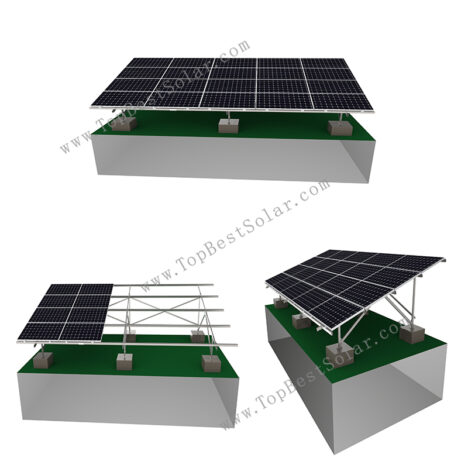
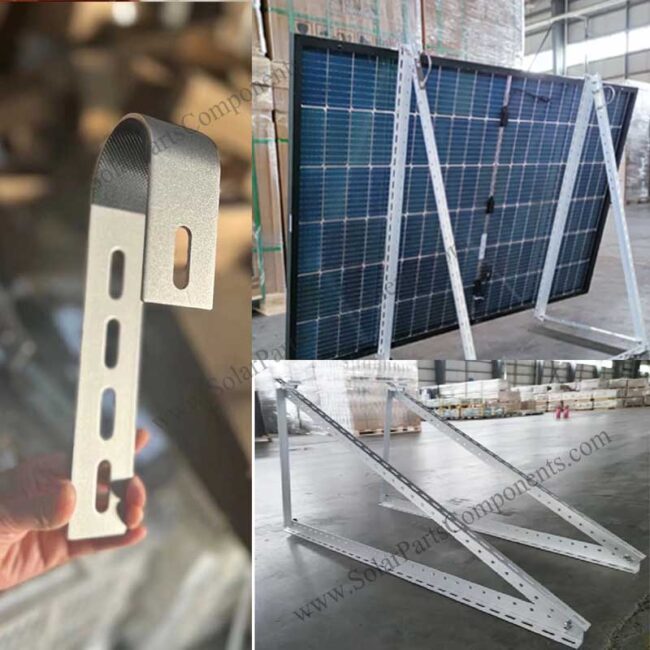
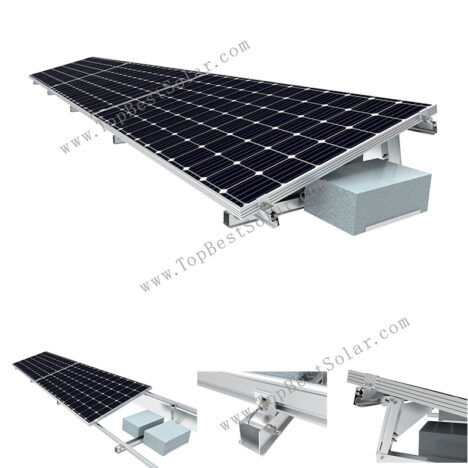
Does a pre-assembled triangle rack with Q235 and anodized aluminum rails really optimize flat roof power generation while resisting 40 m/s winds without on-site welding

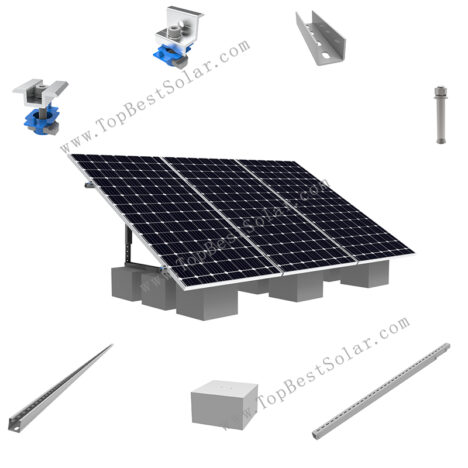
In residential and commercial solar deployments on flat roofs or open ground, one of the persistent trade-offs is between structural rigidity and installation agility. Fixed flat-laid panels suffer from suboptimal irradiance angles, especially in mid-to-high latitudes, while custom-welded tilt structures consume days of on-site labor, require hot-work permits, and introduce corrosion risks at weld seams.…

Can a ZAM-coated steel ground mounting system with stainless steel and aluminium alloy components truly withstand 60 m/s winds and 3.6 kN/m² snow loads while supporting both framed and frameless modules at tilt angles from 0° to 60°

In large-scale solar ground-mount projects, particularly those involving refurbishment of existing structures or installation on open terrain with extreme weather exposure, the selection of materials and structural configuration directly determines long-term energy yield and maintenance costs. Traditional hot-dip galvanized steel systems offer proven corrosion resistance but add significant weight to foundations and require careful handling…

Can a ZAM-Coated U-Steel Ballast Mounting System Really Reduce Ballast Weight While Withstanding 60 m/s Winds on Flat Roofs?

Can a ZAM-Coated U-Steel Ballast Mounting System Really Reduce Ballast Weight While Withstanding 60 m/s Winds on Flat Roofs? 2026-06-23 For commercial flat roof solar installations, the ballast weight required to resist wind uplift has always been a double-edged sword. Enough ballast ensures stability, but too much adds dead load that may exceed the roof’s…

Can an Adjustable Ballast Flat Roof Mounting System Really Boost Solar Generation by 30% Without Roof Penetration?

For commercial and industrial flat roof solar installations, the fundamental tension has always been between energy yield and roof integrity. Fixed tilt systems are simple and low-cost, but they leave significant generation potential untapped by not optimizing the angle toward the sun. Ballasted systems avoid roof penetrations, protecting the waterproofing membrane, but often sacrifice tilt…

How BIPV Mounting Systems Unlock the Full Potential of Bifacial Solar Panels on Roofs

For architects and EPC contractors, integrating bifacial solar panels into a building’s envelope represents the cutting edge of sustainable design. Unlike traditional racking, a BIPV mounting system for bifacial modules​ must serve a dual purpose: it acts as both the structural backbone for energy generation and a critical component of the building’s weatherproofing system. The…

How Adjustable Ballast Systems Maximize Solar Yield on Flat Roofs Without Penetration

For commercial and industrial building owners, flat roofs represent a vast, untapped resource for solar energy. However, the challenge has always been balancing energy output with structural safety. Traditional penetrating mounts risk leaks and void warranties, while low-profile systems sacrifice generation efficiency. The Flat Roof Mounting-Adjustable Ballast Series​ offers a strategic solution: a non-penetrating, ballasted…

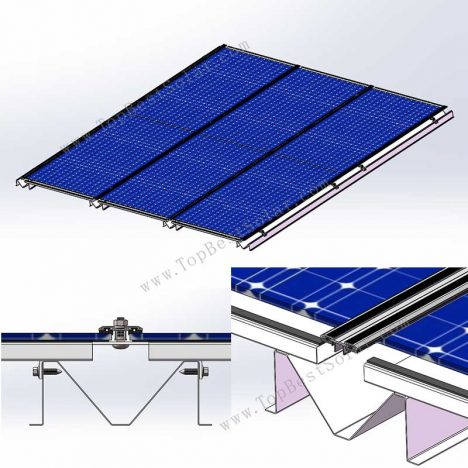
Can Your Metal Roof Handle a 60 m/s Storm? Engineering the Non-Penetrating Solar Mount

For commercial and industrial building owners, a standing seam metal roof represents a significant long-term asset. The last thing anyone wants is to compromise its integrity with a poorly designed solar installation. The core challenge isn’t just generating power—it’s doing so without drilling thousands of holes that invite leaks, void warranties, and weaken the structure.…