Site icon Solar Mounting System Factory, PV Racking Wholesale, Top Quality, Best Price ! – TopBestSolar.com

TÜV Certification for Solar Mounting Systems: A Complete Expert Guide — Based on an In-Person Interview at SNEC 2026 Shanghai

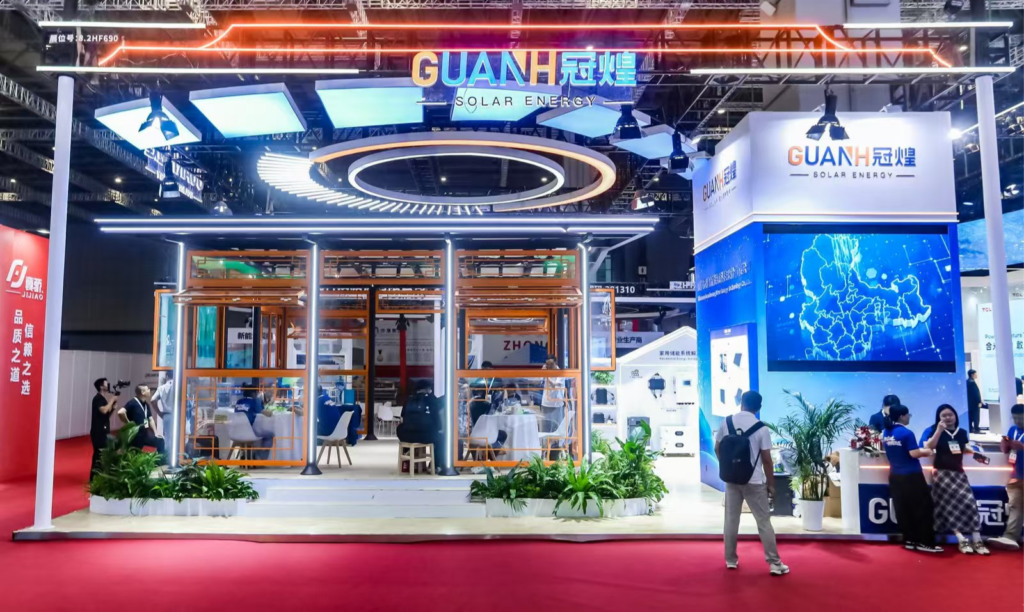
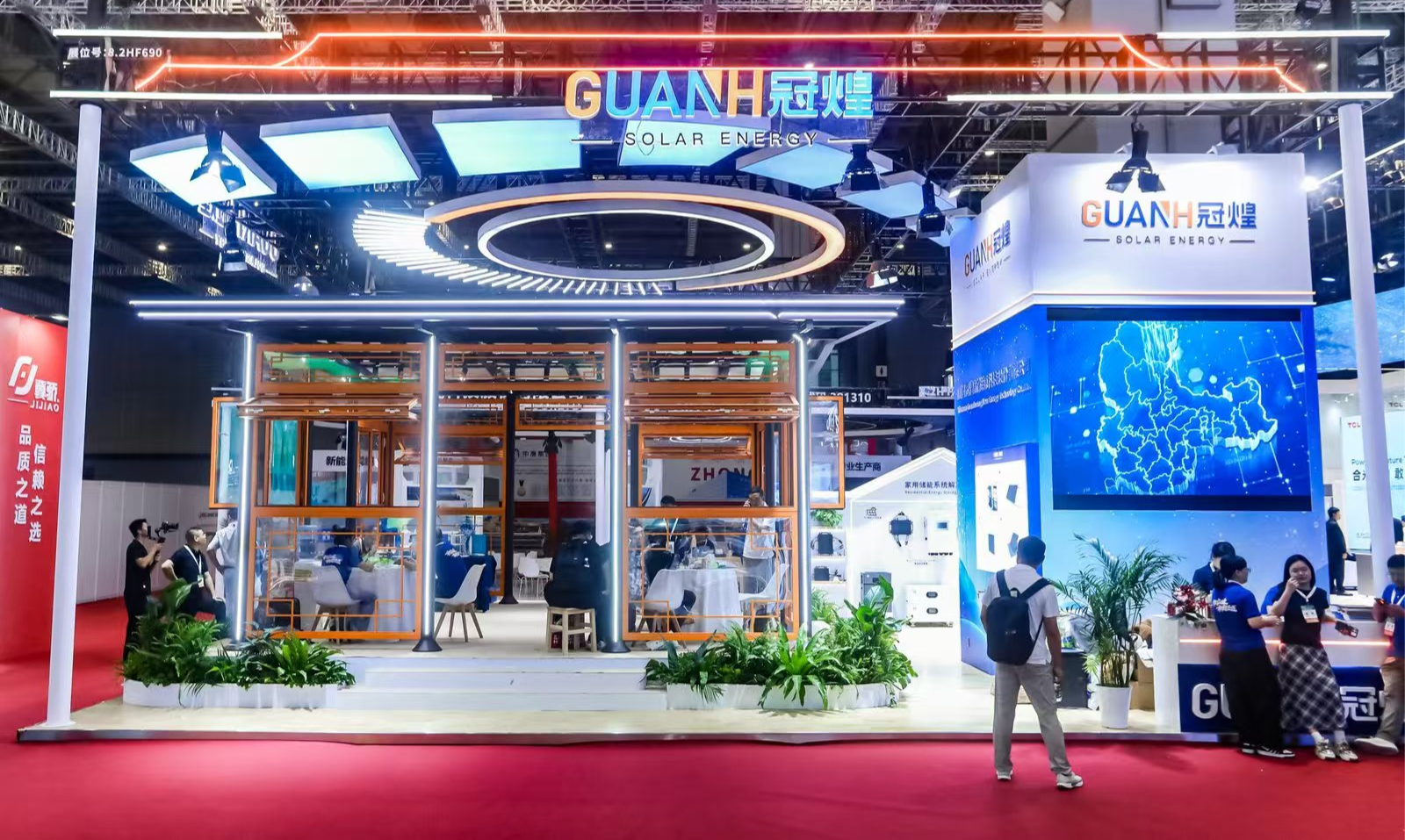
topbestsolar-snec-2026-booth

topbestsolar-snec-2026-booth

topbestsolar-snec-2026-booth

At SNEC 2026 in Shanghai — the world’s largest solar exhibition — we sat down with a senior TÜV engineer on June 4 for an in-person interview. The conversation was recorded on-site and transcribed into the Q&A below. From fixed racking to solar trackers, from test protocols to bankability, here are 15 questions answered by someone who certifies these systems every day.

SECTION 1 OF 4

TÜV Standards for Solar Mounting Systems

Q1Which technical standards does TÜV use for solar mounting systems, and what tests are involved?

A

Fixed racking is tested to TÜV Nord internal performance and weathering standards. Solar trackers primarily follow IEC 62817; controllers and motors may also reference IEC 61701 (salt mist). Environmental reliability tests include temperature cycling (TC200) and humidity-freeze (HF10). UV resistance: metal structures use cumulative UV irradiance tests (UV 15 kWh); composite structures follow composite material standards with UV irradiation and cycle testing. European export projects must also comply with Eurocode structural design requirements (EN 1990, EN 1991). For rooftop installations, CPR 305/2011/EU building product regulations may also apply.

Q2How do certification requirements differ between polymer composite brackets and traditional metal racking?

A

  • Polymer brackets require additional UV resistance, water resistance, and alkali resistance testing. The material system is complex — e.g. PU matrix reinforced with glass or basalt fiber — requiring evaluation of whether the polymer is aromatic or aliphatic, and whether water-based PU coatings are used.
  • Thermoplastic materials have lower mechanical performance, so structural design must compensate for overall strength. Thermoset composites also require flame retardancy grading and glow-wire testing.
  • Metal racking focuses primarily on structural performance and material strength — a narrower testing scope.
Q3How do certification standards differ across fixed, flexible, and solar tracker mounting systems?

A

Flexible racking is fundamentally still a fixed structure, so its core testing largely mirrors that of fixed racking. The key addition is wind tunnel testing to evaluate wind load response — particularly important given the risk of resonance and vibration under lateral wind loads, which has caused real-world failures at flexible and tracker installations. Solar trackers follow IEC 62817 for controller and motor environmental performance, plus laboratory dynamic motion testing (3,650 cycles). Both wind tunnel and dynamic motion testing are critical for assessing long-term system reliability.
Q4How many years of real-world conditions does TÜV testing simulate? Which test is hardest to pass?

A

Testing generally simulates 25+ years of outdoor service. For composite brackets, water and alkali resistance tests are the most challenging, as they can cause significant mechanical strength loss. Two main approaches are used: direct accelerated exposure — for example, cumulative UV irradiance of ~1,700 kWh to simulate 25 years of outdoor exposure in Middle Eastern conditions — and component-level aging models such as 85°C/85% RH damp heat cycling (“double 85”), which can require 6,000–7,000 hours to simulate 25 years in a temperate climate like Shanghai. Both methods provide only an indicative lifetime assessment; no universal formula exists, and a model calibrated for one product is unlikely to apply to another.
Q5How does TÜV certification compare to CE, IEC, and UL? Are they interchangeable?

A

They are not interchangeable. TÜV is a voluntary certification assessing performance reliability and weathering — well suited for demonstrating product quality to customers. CE is a mandatory directive-based certification with different processes and test standards. IEC and UL are technical or safety standards that overlap with TÜV testing scope but are not equivalent. The right combination depends on your target market and whether local regulations are voluntary or mandatory.

SECTION 2 OF 4

TÜV Certification Cost and Timeline

Key figures at a glance: Fixed racking: approximately 2–2.5 months. Solar trackers: up to 4 months due to the 3,650-cycle dynamic motion test. Certificate issued approximately 2 weeks after testing is complete. Costs vary depending on test scope and complexity — contact TÜV directly for a project-specific quote.
Q6What is the general TÜV certification process for solar mounting systems, and how long does it take?

A

A factory inspection is typically conducted before testing begins — though it can be scheduled concurrently with testing to improve efficiency. Fixed racking takes approximately 2–2.5 months. Trackers require up to 4 months due to the 3,650-cycle dynamic motion test. The certificate is issued roughly 2 weeks after all testing is completed.
Q7What documentation should companies prepare, and what does certification cost?

A

Required documentation includes a materials list, installation manuals, engineering drawings, and structural calculation reports. Certification costs vary depending on the test scope and product complexity — it is best to contact TÜV directly for a project-specific quotation.
Q8What are the most common pain points and failure reasons during TÜV certification?

A

Many products fail on their first submission. The most common failure points are insufficient material strength, welding quality defects, and inadequate weathering performance in composite materials. Companies are advised to conduct an internal pre-assessment before formal sample submission to reduce the risk of first-attempt failures.
Q9Does TÜV conduct ongoing surveillance after certification? What happens without it?

A

TÜV typically conducts factory surveillance inspections every 1–3 years. Without ongoing surveillance, some overseas projects may not recognize the product certification, and it can affect the validity of after-sales service commitments — which in turn impacts project financing and long-term operational guarantees.

SECTION 3 OF 4

TÜV Certification and Solar Project Bankability

Q10How does TÜV certification directly affect the bankability of a solar project?

A

TÜV provides technical reliability assessment reports that serve as a key decision-making reference for banks, insurers, and investors. Certified products help optimize financing terms and reduce the cost of capital. For qualifying projects, TÜV can also issue dedicated bankability statements — a specific document that some lenders require before committing to project finance.
Q11Is TÜV certification a hard requirement in overseas EPC project tenders? Does it vary by country?

A

There is currently no dedicated international mandatory standard for fixed racking — both TÜV Nord and TÜV Rheinland certify to their own internal standards. TÜV functions primarily as a voluntary quality endorsement, and whether it is required depends on the project owner, local regulations, and lender requirements. Companies should research target market thresholds before entering a bid.
Q12For small and mid-sized solar mounting companies weighing TÜV certification — when is the right time?

A

Export-oriented companies should pursue certification as early as product design is finalized — it opens market access channels before the first deal. Domestic-market-focused companies can time it more flexibly based on customer demand. Certification is a long-payback investment; earlier is generally better for companies with global ambitions.

SECTION 4 OF 4

Future Standards for Solar Trackers

Q13What are the trends in composite and non-metallic mounting systems, and what makes their certification unique?

A

TÜV testing for composite racking covers physical properties, chemical resistance, flame retardancy, UV resistance, and damp heat aging. The material complexity is the defining challenge: UV weathering, water and alkali resistance, fire classification, and structural design optimization for mechanical strength all need to be addressed together — a significantly broader scope than metal racking.
Q14What is the status of IEC 63513 and IEC 62817-1 for solar trackers, and what does it mean for manufacturers?

A

IEC 62817-1 remains the primary standard for tracker safety and performance evaluation. IEC 63513 was formally published around 2025, though adoption timelines vary by region. The overall trajectory is toward stricter design and testing requirements. Manufacturers should monitor standard updates proactively and assess compliance gaps before the next product generation.
Q15As green trade barriers rise globally, what role does TÜV play for Chinese solar mounting exporters?

A

TÜV serves a dual role: it validates supply chain stability and product reliability, while helping manufacturers meet the regulatory requirements of different regions. For markets in Europe, the Middle East, and Southeast Asia, TÜV certification has become one of the most effective tools for overcoming green trade barriers and building buyer confidence.

Editor’s note: This article is based on an in-person interview recorded at SNEC 2026 Shanghai on June 6, 2026, and subsequently transcribed and edited for clarity. All standards information reflects the state as of the interview date. As IEC standards evolve, please refer to the latest official TÜV and IEC publications for current requirements. For questions about how TÜV certification applies to your specific product or export market, contact the TopBestSolar team — we’re happy to help.

Exit mobile version