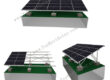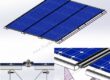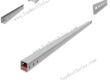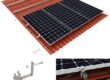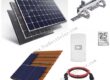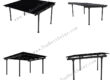
For architects and EPC contractors, integrating bifacial solar panels into a building’s envelope represents the cutting edge of sustainable design. Unlike traditional racking, a BIPV mounting system for bifacial modules must serve a dual purpose: it acts as both the structural backbone for energy generation and a critical component of the building’s weatherproofing system. The challenge is magnified when using frameless bifacial panels, which lack the aluminum frame for easy clamping. So, how does a dedicated BIPV mounting structure ensure both high energy gain from rear-side irradiation and absolute waterproofing? The answer lies in a combination of specialized M-shaped channels, corrosion-resistant materials, and an installation logic designed for architectural integration.
The Engineering Behind Bifacial BIPV Performance
Standard rooftop racks are designed to hold panels above the roof, maximizing airflow but often compromising on aesthetics and waterproofing integrity. A true BIPV mounting system for bifacial modules flips this paradigm, integrating the panels into the roof plane itself.
Material Composition for Longevity
The structural integrity of the system hinges on its material selection. The primary mounting rails are typically constructed from ZM275 zinc-aluminum-magnesium coated steel, a material known for its superior corrosion resistance compared to standard aluminum or hot-dip galvanized steel. This is critical for BIPV applications, where the structure is intended to last the 25+ year lifespan of the building. Fasteners and clamps are made from stainless steel (SUS304) and 6005-T5 aluminum alloy, ensuring no galvanic corrosion occurs at connection points, even in harsh coastal environments.
Waterproofing Through Design
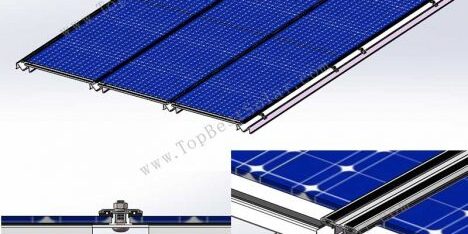
The most significant advantage of a dedicated BIPV mounting system is its integrated waterproofing. Instead of relying on external sealants, the system utilizes an M-shaped channel design. This channel acts as a built-in gutter system, directing rainwater away from the roof deck and preventing any water ingress at the mounting points. This “structural waterproofing” approach is far more reliable than simply applying silicone around penetration points, making it ideal for critical commercial and industrial rooftops where leaks are unacceptable.
Optimized for Bifacial Gain
To maximize the energy yield from bifacial modules, the mounting system must allow ample light to reach the rear side of the panels. The low-profile design of BIPV racking minimizes shading on the back of the modules. Furthermore, the use of frameless bifacial clamps ensures that the clamping mechanism does not cover the active cell area, allowing for maximum light capture from both sides while maintaining a sleek, architectural appearance.
Key Advantages Over Traditional Racking
Choosing a BIPV-specific mounting system for your bifacial project delivers tangible benefits that directly impact the project’s ROI and operational safety.
-
True Building Integration: The system transforms the solar array from an “add-on” into an integral part of the roof. This is particularly valuable for new construction projects where the roof and the PV system can be designed as a single, cohesive unit, reducing overall material costs.
-
Simplified Installation: Despite its advanced functionality, the system is designed for rapid deployment. The modular “click-and-play” design allows installers to fix the M-shaped channels to the roof beams and simply slot the bifacial modules into place with specialized clamps, significantly reducing labor time compared to traditional rail-based systems.
-
Enhanced Durability: Engineered to withstand wind loads up to 60 m/s and snow loads of 1.4 kN/m², the system provides the structural rigidity needed for large-scale commercial roofs. The corrosion-resistant materials ensure that the mounting system will not degrade before the solar panels themselves.
Strategic Applications for Maximum Impact
The BIPV mounting for bifacial frameless modules is not a one-size-fits-all solution; it excels in specific scenarios where performance and integration are paramount.
-
Commercial and Industrial Flat Roofs: This is the ideal application. The system provides a flat, walkable surface that doubles as a power plant, making it perfect for warehouses, factories, and large retail boxes.
-
Architectural Facades and Curtain Walls: For building facades where aesthetics are critical, the low-profile, frameless look of the system allows bifacial panels to be used as a glazing material while still generating electricity from reflected light.
-
Roof Retrofits: When replacing an aging industrial roof, installing a BIPV mounting system with integrated bifacial panels is a cost-effective way to upgrade the building envelope and add energy generation in a single project.
Conclusion: Building Smarter with Integrated Solar
Investing in a BIPV mounting system for bifacial modules is a strategic decision that moves beyond simple energy generation. It represents a holistic approach to building design, where the roof becomes a multi-functional asset. By solving the core challenges of waterproofing and structural integration, this type of mounting system unlocks the full potential of bifacial technology, delivering higher energy yields, superior aesthetics, and long-term reliability for the most demanding architectural projects.