

As rooftop solar installations continue to grow across commercial and industrial sectors, the solar panel rail mounting system remains one of the most widely used solutions for securing photovoltaic modules.
Known for its flexibility, structural stability, and compatibility with various roof types, the rail-based solar mounting system is still a preferred choice for EPC contractors and installers — especially in projects where precision and adaptability are critical.
What Is a Solar Panel Rail Mounting System?
A solar panel rail mounting system is a structure that uses aluminum or steel rails to support and fix solar panels onto rooftops or ground structures.
The system typically includes:
-
Mounting rails
-
Roof brackets or clamps
-
Mid clamps and end clamps
-
Fasteners and grounding components
Rails act as the main structural support, allowing panels to be aligned and secured efficiently.
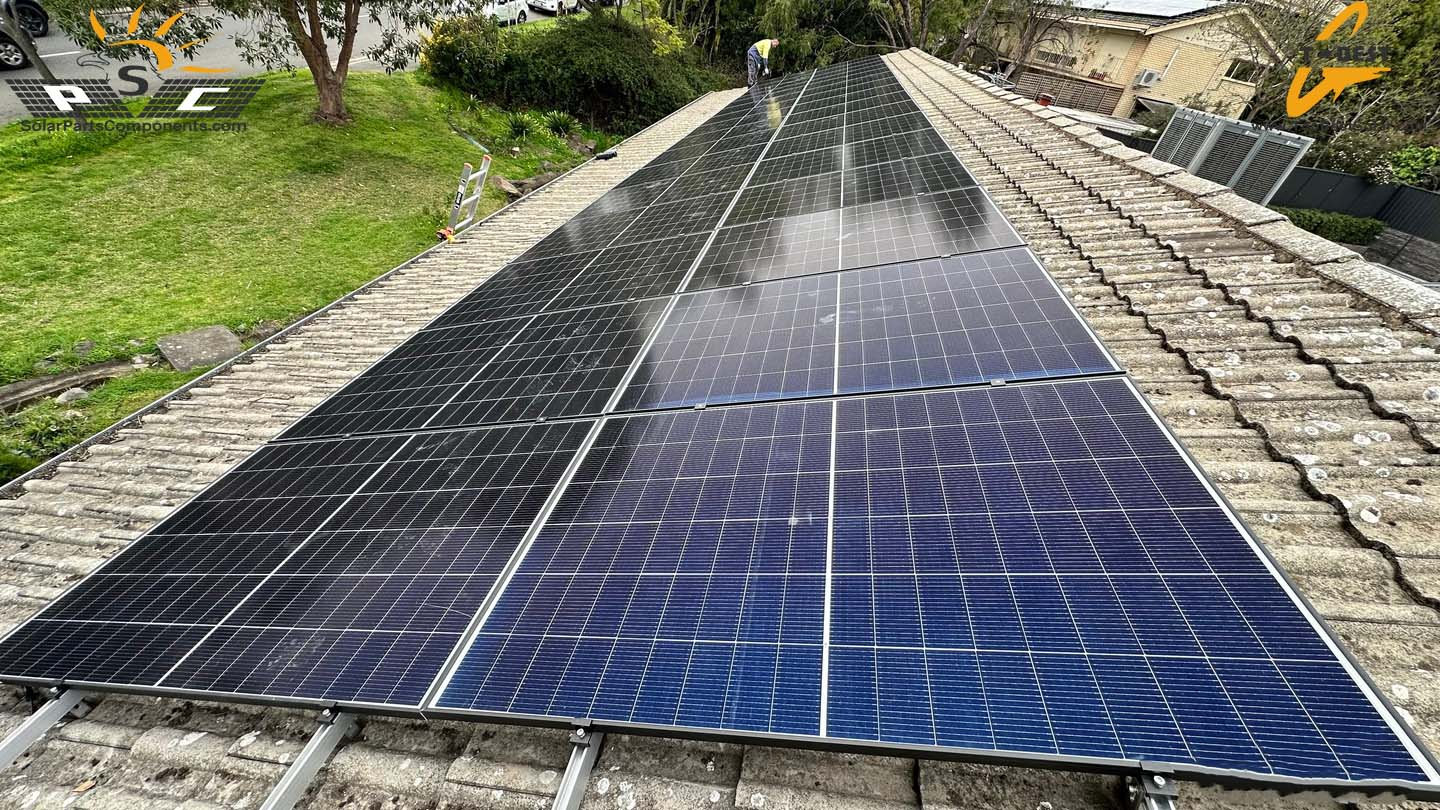

Even with the rise of rail-less solar mounting systems, rail-based systems continue to dominate many projects due to their versatility.
Key Advantages
-
High flexibility for different panel sizes and layouts
-
Strong structural support for uneven surfaces
-
Easier alignment and adjustment during installation
-
Suitable for complex roof designs
For projects requiring precise layout control, rails make installation much easier.
Applications of Solar Rail Mounting Systems
Rail mounting systems are widely used in:
▸ Metal Roof Solar Installations
-
Compatible with standing seam clamps and L-feet brackets
-
Allows secure panel positioning
▸ Concrete Roof Solar Projects
-
Works with ballasted or penetrative systems
-
Flexible tilt angle adjustment
▸ Ground Mount Solar Systems
-
Used in combination with steel support structures
-
Provides modular panel installation
This flexibility makes rail systems one of the most universal solutions in the solar mounting industry.
Aluminum Rails vs Steel Rails
Material selection is important for performance and durability.
Aluminum Solar Rails
-
Lightweight
-
Corrosion resistant
-
Easy to transport and install
Steel Rails (Galvanized)
-
Higher strength
-
Suitable for heavy-duty applications
-
More cost-effective in large projects
In most rooftop applications, aluminum rails are preferred due to weight advantages.
Rail-Based vs Rail-less Systems: Which One to Choose?
Both systems have their place in modern PV installations.
| Feature | Rail Mounting System | Rail-less System |
|---|---|---|
| Flexibility | High | Moderate |
| Installation Speed | Moderate | Faster |
| Material Cost | Higher | Lower |
| Alignment Accuracy | High | Medium |
| Best Use | Complex roofs | Simple metal roofs |
Rail-based systems are ideal for projects requiring precision and adaptability, while rail-less systems focus on speed and cost reduction.
Installation Considerations
To ensure optimal performance, installers should consider:
-
Proper rail spacing and alignment
-
Secure attachment to roof structure
-
Wind load and load distribution
-
Grounding and cable management
A poorly installed rail system can affect both safety and system efficiency.
Why Work with a Professional Solar Mounting Manufacturer
A reliable China solar mounting system manufacturer and supplier can provide:
-
High-quality aluminum or steel rails
-
Complete mounting accessories
-
Customized solutions for different roof types
-
Engineering support and structural calculations
This ensures compatibility, durability, and efficient installation across projects.
Final Thoughts
The solar panel rail mounting system remains a proven and reliable solution for rooftop and ground-mounted PV installations. Its flexibility, structural stability, and adaptability make it suitable for a wide range of applications.
While rail-less systems offer advantages in speed and cost, rail-based systems continue to be essential for complex and large-scale solar projects.
Choosing the right solar mounting system supplier ensures your project is built with precision, safety, and long-term reliability.