Introduction
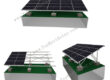
Ground mount solar systems are a popular choice for homeowners and utilities seeking flexible, high-yield renewable energy—and understanding their installation process, 2025 market shifts, and maintenance needs is key to maximizing ROI.Unlike rooftop solar, ground mount solar can be positioned for optimal sun exposure, but it requires careful site prep and structural planning. Below is a detailed breakdown of how to install ground mount solar, the latest industry trends shaping 2025, and best practices to keep your system running efficiently.
Installation Process: Step-by-Step Framework
Phase 1: Site Assessment (Critical for ROI)
– Survey soil composition (determines foundation type: piled/screwed/concrete )
– Map shading & optimal tilt (30° south orientation maximizes yield )
– Secure permits (avg. 4-6 weeks for residential projects )
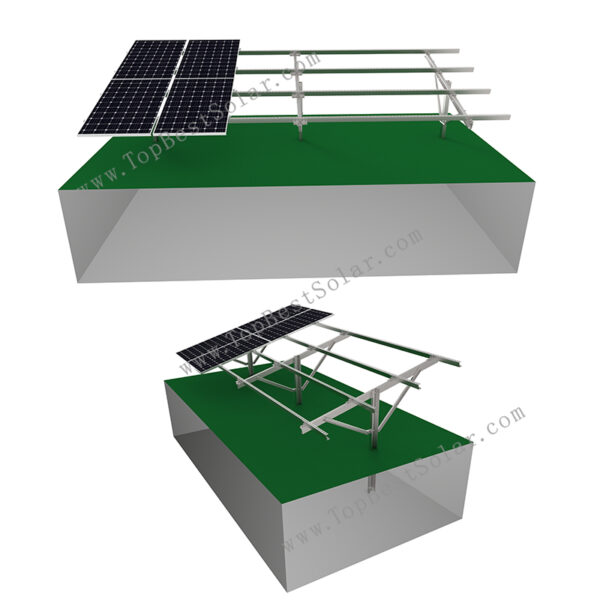
Phase 2: Foundation & Structure
| Foundation Type | Best For | Cost/Watt |
| Helical Piles | Soft soil | $0.15-0.25|
| Concrete Footings | Rocky terrain | $0.30-0.40|
| Ground Screws | Sloped land | $0.20-0.30|
Phase 3:Panel & Electrical Setup
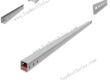
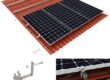
1.Mount aluminum/galvanized steel rails
2.Attach panels (bifacial models boost output 10-20% )
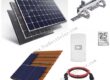
3.Integrate inverter & storage (40% of US projects add batteries )
Market Trends Shaping 2025
– Growth Projection: $62.1B (2025) → $105.8B (2032) (CAGR 7.2% )
– Technology Shifts:
– Bifacial panels: 30% market share by 2032
– Solar-plus-storage: Standard for utility projects
– Regional Leader: Asia-Pacific (60% of global capacity )
Maintenance Best Practices
– Bi-annual cleaning (reduces soiling loss: 5-8% )
– Quarterly inverter checks (solax models offer remote monitoring )
– Foundation inspection after extreme weather